Introduction
Permanent makeup has become one of the fastest-growing trends in the beauty industry. From lip blushing to microblading, more people are choosing long-lasting cosmetic solutions instead of daily makeup routines.
In this space, the quality of pigment decides everything — results, healing, and client satisfaction.
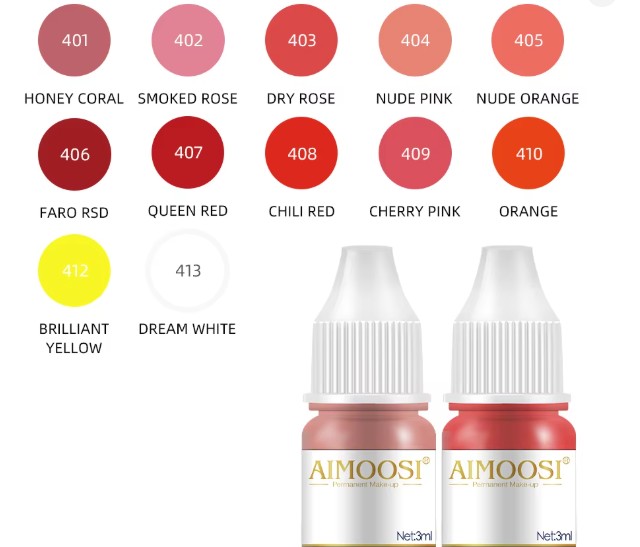
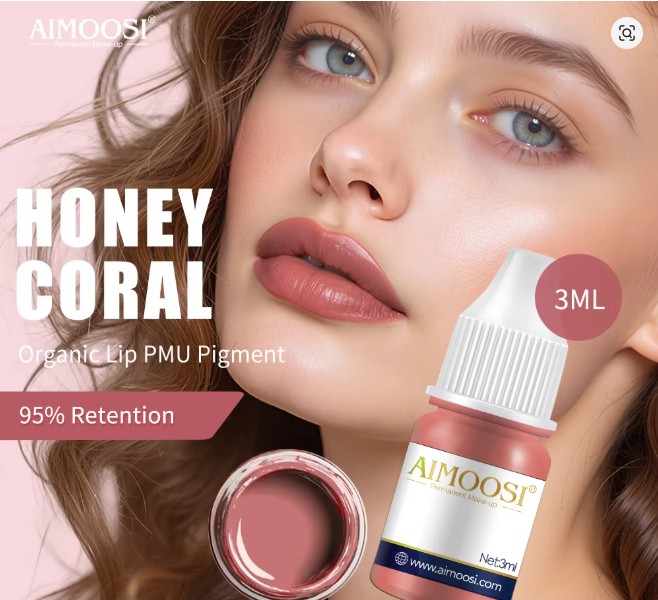
One product that is getting a lot of attention among PMU artists is the AIMOOSI Professional Permanent Makeup Pigment.
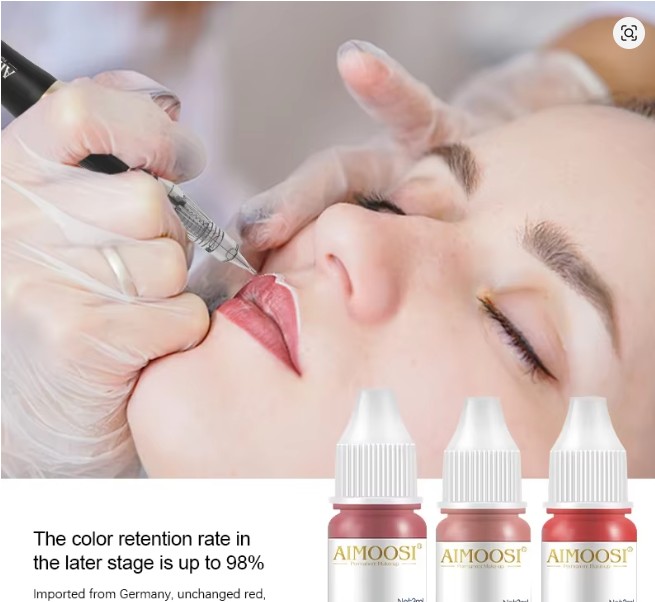
It is used in lip blushing and cosmetic tattoo procedures, mainly because it promises natural-looking results and smoother application compared to many low-end pigments in the market.
But the real question is — does it actually perform well in real use? Let’s break it down in a simple and realistic way.
What is AIMOOSI Professional Permanent Makeup Pigment?
The AIMOOSI Professional Permanent Makeup Pigment is a cosmetic tattoo ink designed for permanent makeup procedures like:
- Lip blushing
- Eyebrow microblading
- Light cosmetic shading
Unlike normal tattoo inks, PMU pigments are designed to fade gradually and naturally over time, instead of turning harsh or unnatural.
This is important because permanent makeup is not supposed to look “permanent tattoo dark” — it should look soft and natural.
Why People Are Talking About It
There are many pigments in the market, but this one stands out for a few practical reasons:
1. It gives a soft, natural finish
Most users prefer pigments that don’t look too heavy. This one is designed to blend into the skin tone instead of sitting on top of it.
2. It is commonly used for lip blushing
Lip blushing requires soft pink or nude tones. This pigment works well for achieving that subtle tinted look instead of strong lipstick-style results.
3. It is easy to work with
For artists, consistency matters. The texture of this pigment makes it easier to apply smoothly without uneven patches.
Real Advantages of AIMOOSI Professional Permanent Makeup Pigment
Let’s keep this honest and practical:
✔ Natural healing result
After healing, the color usually settles into a softer tone rather than an artificial shade.
✔ Suitable for beginners and professionals
It is not overly complicated to use, which makes it friendly for training and practice.
✔ Versatile usage
It can be used in both lip blushing and eyebrow shading work depending on technique.
✔ Affordable compared to premium brands
It is not the most expensive option, which makes it attractive for new artists.
Things You Should Keep in Mind
No product is perfect, and this one is no exception.
- Results depend heavily on the artist’s skill
- Skin type affects how pigment heals
- Aftercare plays a major role in final outcome
- Training is still required for proper use
So it is not “magic ink” — it is a tool, and skill matters more than the brand.
Comparison (Simple View)
| Feature | AIMOOSI Pigment | Low-Quality Pigments |
| Color Result | Natural | Often patchy |
| Healing | Soft fade | Unpredictable |
| Ease of Use | Medium-easy | Often difficult |
| Safety | Better formulated | Depends on brand |
Who Should Use It?
This pigment is more suitable for:
- PMU beginners learning lip blushing
- Beauty salon artists
- Freelancers in cosmetic tattooing
- Clients who prefer soft natural results
Final Thoughts
The AIMOOSI Professional Permanent Makeup Pigment is not a miracle product, but it is a solid option in the PMU category if used correctly.
Its main strength is simple:
👉 it helps create natural-looking permanent makeup results without overly harsh tones.
But the final outcome always depends on:
- Skill of the artist
- Skin type
- Proper aftercare
So instead of expecting perfection from the product alone, it should be seen as a reliable tool in professional PMU work.
Why everyone is suddenly talking about PMU pigments
If you’ve been around the beauty world lately, you’ve probably noticed how much permanent makeup has grown. It’s everywhere now — lip blushing, brows, soft cosmetic tattooing… people really like the idea of waking up already “ready”.
And honestly, the real game here isn’t just technique anymore. It’s the pigment. That’s what decides how natural or how bad the final result will look.
That’s why products like AIMOOSI come into conversation so often. Artists are always looking for something that behaves well on skin and doesn’t turn into a mess after healing. Because in PMU, things can look perfect on day one but completely different after a week. So yeah, pigment choice has become a big deal now.
The truth about pigment quality
Let’s be real for a second — not all pigments are equal.
Some look fine during application but later fade weirdly or change tone. That’s where clients start getting disappointed, and artists get blamed even if their technique was okay.
A good pigment just makes life easier. It stays predictable. It heals in a softer way. It doesn’t suddenly shift into some strange color.
That’s basically why professionals are picky. It’s not about branding, it’s about avoiding problems later. And in lip blushing especially, even a small mistake in pigment quality can be noticeable.
Skin type changes everything
One thing beginners usually underestimate is how different skin types react.
Oily skin? Pigment may fade quicker.
Dry skin? Sometimes it holds better but heals unevenly if overworked.
Sensitive skin? You always need to be extra careful.
There’s no single “perfect result” for everyone. That’s just not how skin works.
So when people talk about AIMOOSI or any PMU pigment, it’s not about it being magic. It’s more about how flexible it is across different skin conditions. Still, technique always matters more than the bottle itself.
Lip blushing trend in simple words
Lip blushing is basically for people who want lips that look naturally better — not lipstick-heavy, just healthier and more even in tone.
That’s why this treatment has become so popular. It saves time, and honestly, it looks soft when done right.
Pigments used here need to be subtle. Too strong and it looks fake. Too weak and it disappears. The balance is everything.
AIMOOSI-type pigments are often used because they tend to heal into softer tones instead of staying too bold. But again, it depends a lot on how it’s applied.
From an artist’s point of view
If you actually talk to PMU artists, most of them won’t hype a product blindly. They care about control.
When working, if the pigment flows nicely and doesn’t behave unpredictably, the job becomes much easier. You can focus on shaping instead of fighting with the product.
That’s where decent pigments make sense. Not because they are “the best ever”, but because they don’t create extra problems.
Still, let’s be honest — a skilled artist can make average pigment look good, and a beginner can mess up even the best one.
Healing is where reality shows up
Right after the procedure, everything looks darker and sharper. Clients sometimes panic at this stage.
But that’s normal.
After a few days, the skin starts healing and things soften a lot. The real final look only appears after full healing.
This is the part where expectations matter a lot. If clients don’t follow aftercare properly, even good work can look off.
So most of the result is not just pigment — it’s patience and care too.
Safety side of things
Since pigments go into the skin, safety is always serious.
Most PMU pigments today are designed to reduce irritation, but skin reactions can still happen. Everyone’s body is different.
That’s why professionals usually do patch tests and follow hygiene rules strictly. Clean tools, clean setup — all of that matters just as much as the product.
No pigment is “risk-free”. It’s just about reducing risk as much as possible.
Money vs quality reality
Not every artist can afford expensive pigments, especially when they are starting out.
So people often look for something that is decent but not overpriced.
That’s where mid-range options like AIMOOSI get attention. They are not luxury, but they are also not low-end. They sit in that practical middle zone.
For many small salons, that balance actually matters more than branding.
What artists actually say
In real life, PMU artists don’t just trust ads. They trust experience.
If a pigment behaves the same way again and again, it slowly builds reputation. If it causes issues, people stop using it — simple as that.
That’s how most products survive in this industry. Not marketing, but real results in real clients.
Final honest view
At the end of the day, no pigment is doing the full job alone.
It’s always a mix:
good product + good technique + proper aftercare.
If one of these is missing, results won’t be perfect.
So instead of expecting miracles from a pigment, it’s better to see it as a tool that helps the artist do their job properly.
1. Why AIMOOSI Professional Permanent Makeup Pigment Is Becoming Popular
In today’s beauty world, permanent makeup is no longer a luxury service—it has become a regular part of modern beauty routines. More clients are now choosing long-lasting solutions like lip blushing and microblading instead of daily makeup.
This is exactly where AIMOOSI Professional Permanent Makeup Pigment has gained attention. It is being discussed in PMU communities because artists want something that behaves predictably during application and healing.
Instead of harsh or artificial results, clients now prefer soft, natural enhancement. That shift has made pigments like AIMOOSI Professional Permanent Makeup Pigment more relevant in salons and training studios.
2. What Makes AIMOOSI Professional Permanent Makeup Pigment Different
Not all pigments behave the same once they enter the skin. Some fade unevenly, while others change tone after healing. This is one of the biggest challenges in PMU work.
AIMOOSI Professional Permanent Makeup Pigment is often used because it offers a more controlled application experience. It spreads evenly during the procedure and is easier to manage compared to unstable pigments.
For artists, control matters more than anything else. If the pigment behaves consistently, the final result becomes more predictable, which reduces correction work later.
3. Use of AIMOOSI Professional Permanent Makeup Pigment in Lip Blushing
Lip blushing is one of the most requested PMU treatments today. Clients want naturally enhanced lips without the look of heavy lipstick.
This is where AIMOOSI Professional Permanent Makeup Pigment fits well. It helps create soft, natural tones that improve lip color instead of overpowering it.
After healing, the lips usually settle into a more balanced shade. However, final results still depend on technique, skin type, and aftercare—not just the pigment itself.
4. Skin Behavior and Realistic Expectations
Every client’s skin reacts differently to PMU pigments. This is an important reality that beginners often overlook.
With AIMOOSI Professional Permanent Makeup Pigment, oily skin may show faster fading, while normal skin tends to retain color more evenly. Dry or sensitive skin can also respond differently depending on care and technique.
Because of this variation, professionals never rely only on pigment quality. They adjust depth, pressure, and layering according to skin type.
5. Healing Process and Final Color Outcome
Immediately after the procedure, the pigment often looks darker than expected. This is a normal stage in PMU healing.
As the skin heals, AIMOOSI Professional Permanent Makeup Pigment gradually softens into a more natural tone. This transition usually takes a few weeks.
Clients sometimes worry during early healing, but experienced artists always explain that final results only appear after full recovery. Patience is an important part of the process.
6. Importance of Aftercare for Better Results
Aftercare is one of the most important parts of permanent makeup. Even the best pigment will not perform well if aftercare is ignored.
If clients do not follow instructions, the result of AIMOOSI Professional Permanent Makeup Pigment can become uneven or fade faster than expected.
Basic aftercare includes avoiding picking, reducing water exposure, and protecting the treated area from harsh products. These small steps make a big difference in final results.
7. Professional Use vs Beginner Use
In professional PMU work, consistency is everything. Artists prefer pigments that are easy to control during application.
AIMOOSI Professional Permanent Makeup Pigment is often used in both training environments and small studios because it is manageable and predictable.
However, beginners should understand that pigment alone is not enough. Proper training and practice are still required to achieve good results.
8. Safety and Hygiene in PMU Work
Safety is extremely important in permanent makeup because pigments are implanted into the skin.
While AIMOOSI Professional Permanent Makeup Pigment is designed to be skin-friendly, safety still depends on proper hygiene practices.
Sterilized tools, clean working environment, and correct technique are essential. Even a good pigment cannot compensate for poor hygiene or unsafe procedures.
9. Cost and Practical Business Use
For many artists, cost is a major factor when selecting PMU products. High-end pigments can be expensive for daily use.
AIMOOSI Professional Permanent Makeup Pigment is considered a practical option because it offers a balance between affordability and usability.
This makes it suitable for freelancers, training academies, and salons that handle multiple clients regularly.
10. Final Realistic Understanding
At the end of the day, AIMOOSI Professional Permanent Makeup Pigment is a supportive tool, not a magic solution.
The final result always depends on three main factors:
- Pigment quality
- Artist skill
- Client aftercare
When all three work together properly, results are usually smooth, natural, and long-lasting.
Practical Use in Real PMU Studios
In real beauty studios, artists prefer tools that are easy to control and predictable in results. That is exactly why AIMOOSI Professional Permanent Makeup Pigment is often seen in training setups and small salons. When working on clients, consistency matters more than anything else. If a pigment behaves differently every time, it becomes difficult to build trust with clients. This is where AIMOOSI Professional Permanent Makeup Pigment is considered useful because it offers stable application in most cases. It allows artists to focus more on technique instead of struggling with unpredictable pigment flow. Many beginners also find AIMOOSI Professional Permanent Makeup Pigment helpful during practice because it gives them a realistic experience without extreme variations in color behavior.
Why Artists Keep Choosing This Pigment
One of the main reasons artists continue using AIMOOSI Professional Permanent Makeup Pigment is its balance between affordability and usability. In the PMU industry, professionals often test multiple products before finding something that fits their style. Once they get comfortable with AIMOOSI Professional Permanent Makeup Pigment, they tend to stick with it because it reduces complications during procedures. The pigment does not behave too aggressively or unpredictably, which makes it suitable for repetitive salon work. Another reason for its popularity is that AIMOOSI Professional Permanent Makeup Pigment works well for natural-looking results, especially in lip blushing where softness is important. Clients usually prefer subtle enhancement,
Final Real-World Understanding of Results
At the end of the day, results in permanent makeup are always a combination of skill, technique, and product quality. Even though many artists rely on AIMOOSI Professional Permanent Makeup Pigment, they still understand that it is only one part of the process. Proper application and aftercare play a much bigger role in the final outcome. However, using a stable product like AIMOOSI Professional Permanent Makeup Pigment can make the entire process smoother and more predictable. It helps reduce unwanted surprises during healing and supports a more natural fade. For this reason, many professionals consider AIMOOSI Professional Permanent Makeup Pigment a practical choice for everyday PMU work rather than a luxury option.
Why This Pigment Fits Modern PMU Workflows
In modern PMU practice, artists want products that save time, reduce mistakes, and give consistent healing results. That is why AIMOOSI Professional Permanent Makeup Pigment is often chosen in both beginner training and professional salon environments. When working on multiple clients in a day, stability becomes more important than anything else, and AIMOOSI Professional Permanent Makeup Pigment provides that level of predictability in most cases. Another reason artists rely on AIMOOSI Professional Permanent Makeup Pigment is its ability to support natural-looking results without creating harsh or overly saturated tones. This makes AIMOOSI Professional Permanent Makeup Pigment suitable for lip blushing and soft eyebrow shading where subtlety is required. Over time, professionals also prefer AIMOOSI Professional
Is AIMOOSI pigment safe?
Yes, it is generally used in cosmetic tattoo procedures and considered safe when applied professionally.
Can beginners use it?
Yes, but training is still necessary for proper results.
Is it good for lip blushing?
Yes, it is commonly used for soft and natural lip tint effects.
Does it last long?
It is semi-permanent and fades gradually over time depending on skin type.
What is AIMOOSI Professional Permanent Makeup Pigment mainly used for?
AIMOOSI Professional Permanent Makeup Pigment is mainly used in cosmetic tattoo procedures such as lip blushing and microblading. It is designed to provide soft, natural-looking color that enhances facial features without creating an overly artificial appearance. Many PMU artists use it because it blends well into the skin and supports a smooth healing process.
Is AIMOOSI pigment suitable for beginners in PMU?
Yes, it is generally considered beginner-friendly because of its smooth consistency and easy application. However, beginners still need proper training in permanent makeup techniques. The pigment alone does not guarantee good results — skill, hygiene, and correct usage are equally important for safe and professional outcomes.
How does AIMOOSI pigment perform in lip blushing procedures?
In lip blushing, this pigment is often used to create soft, natural tones that enhance the lips without making them look heavily made up. During healing, the color usually settles into a lighter and more natural shade. The final result depends on skin type, technique, and aftercare, but overall it is commonly used for subtle lip enhancement.
Does the pigment look natural after healing?
Yes, one of the main reasons artists choose this type of pigment is its natural healing effect. Instead of staying too bold or artificial, it gradually softens as the skin heals. This creates a more balanced and subtle look, which is preferred by most clients who want natural cosmetic enhancement rather than dramatic change.
Can skin type affect the final result of this pigment?
Absolutely. Skin type plays a very important role in permanent makeup results. Oily skin may cause faster fading, while dry or normal skin may retain pigment differently. Even with a good product like AIMOOSI, the final outcome will always vary slightly depending on how the client’s skin responds during the healing process.
Is this pigment safe for all skin types?
AIMOOSI pigment is generally designed to be skin-friendly and reduce the risk of irritation. However, no cosmetic product can be considered 100% risk-free for everyone. That’s why professionals usually recommend a patch test before full application, especially for clients with sensitive skin or a history of allergies.
How important is aftercare after using PMU pigment?
Aftercare is extremely important because it directly affects how the pigment heals in the skin. Even a high-quality pigment can produce poor results if aftercare instructions are ignored. Clients are usually advised to avoid picking, excessive moisture, and harsh skincare products during the healing phase to ensure better color retention and smooth results.
Is AIMOOSI pigment a good choice for professional PMU artists?
Yes, many PMU artists use it as a practical option because it offers a balance between affordability and performance. While it may not be a luxury premium brand, it is considered reliable for everyday procedures like lip blushing and microblading, especially when used with proper technique and professional standards.