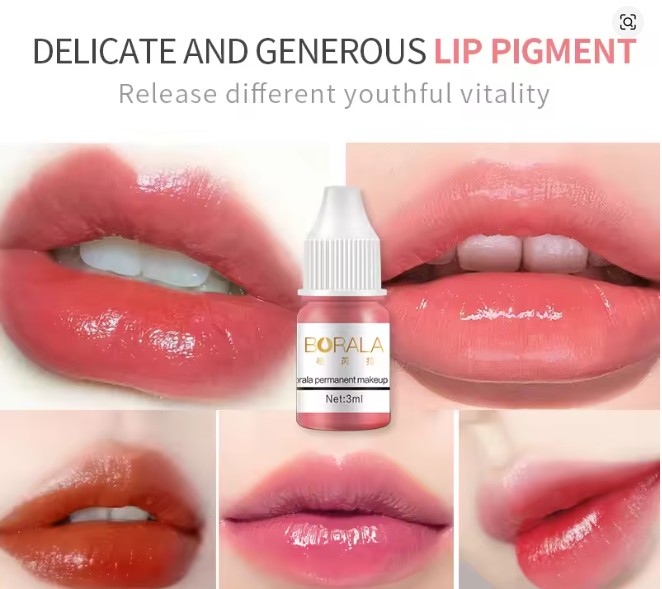
Introduction to PMU Pigment Set in Modern Cosmetic Tattooing
Permanent makeup has slowly become a standard part of the beauty industry. Many clients now prefer long-lasting solutions instead of daily makeup routines, especially for eyebrows and lips.
But in real studio work, results are not only about the machine or the artist — pigment plays a major role.
A PMU pigment set is basically the foundation of every cosmetic tattoo procedure. Whether it is lip blush, eyebrow shading, or light correction work, the pigment determines how the final result will heal and look after a few weeks.
This guide is not written like a product advertisement. Instead, it is based on how artists actually think and work when they are using a PMU pigment set in real conditions.
Understanding How a PMU Pigment Set Actually Works
On paper, pigment seems simple. You pick a color and apply it into the skin.
But in practice, things are not that predictable.
A PMU pigment set behaves differently depending on:
- Skin type
- Machine speed
- Needle depth
- Pressure applied
- Aftercare routine
Even experienced artists sometimes get slightly different healed results with the same PMU pigment set on different clients.
That is why professionals never rely only on product description — they rely on experience.
Why a PMU Pigment Set Is Essential for Artists
A 26-color PMU pigment set is useful because it gives flexibility.
Not every client wants the same tone. Some want soft natural results, others prefer slightly more visible definition.
Instead of using one fixed color, artists mix shades from the PMU pigment set to create custom tones.
For example:
- Lip correction often needs blending warm + neutral shades
- Eyebrow work may require adjusting cool tones
- Skin undertone correction depends on mixing experience
This flexibility is one of the biggest reasons professionals prefer a full PMU pigment set instead of single shades.
PMU Pigment Set in Real Lip Blush Procedures
Lip blush is one of the most delicate procedures in permanent makeup.
The skin is soft, sensitive, and reacts quickly to pigment.
When using a PMU pigment set for lips, artists usually avoid heavy saturation in the first session.
Instead, they apply light layers and observe how the pigment is settling.
At first glance, the color may look darker than expected. This is normal.
After healing (usually 5–10 days), the tone becomes softer and more natural.
A good PMU pigment set supports this gradual fading process without turning uneven.
Eyebrow Work Using PMU Pigment Set
Eyebrow procedures are extremely detail-sensitive.
Each stroke or shading line must stay controlled after healing.
If pigment spreads too much, strokes blur. If it fades too fast, brows look incomplete.
This is where a stable PMU pigment set becomes important.
However, even more important than pigment is the artist’s control over depth and pressure.
Most experienced artists will agree that technique plays a bigger role than product.
Color Mixing in PMU Pigment Set (Real Practice)
There is no strict rule for mixing pigments.
A PMU pigment set gives options, but results depend on judgment.
Some artists prefer pre-tested formulas, while others mix based on eye observation.
Small adjustments in ratio can completely change the final result.
This is why beginners usually struggle at the start — mixing requires experience, not theory.
Safety and Hygiene in PMU Pigment Set Usage
Safety is not optional in PMU work.
A PMU pigment set should always be used with proper hygiene:
- Sterilized tools
- Disposable needles
- Clean working environment
Even high-quality pigment cannot compensate for poor hygiene.
Most complications in PMU are not from pigment itself but from improper handling.
Healing Process When Using PMU Pigment Set
Healing is the stage where most confusion happens.
Immediately after treatment, pigment looks darker and sharper.
After a few days:
- Skin starts peeling lightly
- Color becomes softer
- Final tone begins to appear
Some uneven patches may appear temporarily, but they usually settle.
A stable PMU pigment set helps reduce extreme fading differences, but healing still depends on the body.
Technique vs PMU Pigment Set Quality Debate
Many people assume pigment quality is everything.
In reality, technique often matters more.
Even the best PMU pigment set will not perform well if:
- Depth is wrong
- Machine speed is inconsistent
- Pressure is uneven
So results are always a combination of skill + product.
Beginner Learning Curve with PMU Pigment Set
Beginners usually face confusion in early stages.
Same PMU pigment set can behave differently on practice skin vs real skin.
This is normal and part of learning.
Most trainers recommend starting on synthetic skin before moving to real clients.
Aftercare Importance in PMU Pigment Set Results
Aftercare directly affects final results.
Clients are usually advised:
- Do not scratch healing area
- Avoid heavy water exposure
- Follow technician instructions carefully
Poor aftercare can ruin even a well-done procedure using a good PMU pigment set.
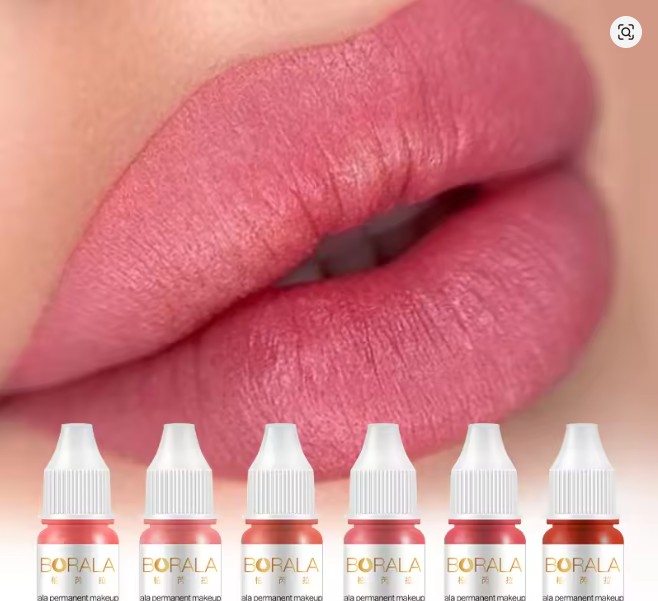
Storage and Handling of PMU Pigment Set
Pigments should be stored properly:
- Away from heat
- Away from sunlight
- Properly sealed
Before use, shaking is recommended for consistent texture.
Common Mistakes with PMU Pigment Set
Even experienced artists sometimes make mistakes:
- Overworking skin
- Ignoring undertones
- Using same depth for all clients
- Not adjusting pigment intensity
These small issues can affect final results more than expected.
Market Growth of PMU Pigment Set Industry
The demand for permanent makeup services is increasing globally.
More clients now prefer natural enhancement instead of heavy makeup.
Because of this, PMU pigment set products are becoming a standard requirement in most studios.
Table: PMU Pigment Set Overview (Real Usage)
| Feature | Real-World Meaning |
| Shades | 26 colors, selectively used |
| Usage | Lips, eyebrows, correction work |
| Behavior | Changes based on skin type |
| Mixing | Required in most cases |
| Learning Curve | Requires practice |
| Result Quality | Depends on artist skill |
Choosing the Right PMU Pigment Set for Clients
Picking a tattoo makeup pigment range is not random work. Every client has different skin tone, undertone, and healing response.
Professionals always study skin first before selecting pigment. Some shades may look perfect in bottle but behave differently on skin.
Experienced artists treat microblading pigment set
like a flexible toolbox instead of fixed colors.
Skin Undertone Impact on PMU Pigment Set
Undertone plays a major role in results.
Same PMU ink collection
can heal differently on warm, cool, or neutral skin.
Small mixing adjustments can completely change outcome.
That is why professionals always analyze skin before choosing from a eyebrow & lip pigment kit
Why Retention Differs in PMU Pigment Set Results
Even with same PMU pigment set, results vary.
Reasons include:
- Skin type
- Lifestyle
- Healing speed
Oily skin usually fades faster than dry skin.
That’s why touch-ups are normal in this industry.
Layering Technique with PMU Pigment Set
Artists never rely on one heavy application.
They build color step by step using multiple layers.
A cosmetic tattoo ink set performs better when applied slowly and carefully.
Machine Settings and PMU Pigment Set Performance
Machine speed and needle depth directly affect pigment results.
Even a good ermanent makeup pigment kit can fail if settings are wrong.
So calibration is always important.
Cheap vs Professional PMU Pigment Set Difference
Cheap pigments often fade unevenly or shift color.
A professional natural looking eyebrow pigment gives stable healing and predictable results.
That is why experienced artists stay consistent with trusted brands.
Environmental Effects on PMU Pigment Set
Heat and sunlight can affect pigment stability.
Proper storage keeps safe PMU pigment for skin consistent and usable for longer time.
Client Communication for PMU Pigment Set Procedures
Clients must understand healing process before treatment.
A best pigment for PMU artists looks darker at first and softens later.
Clear communication avoids confusion.
Long-Term Maintenance of PMU Pigment Set Results
Results fade over time naturally.
Touch-ups are part of normal PMU maintenance.
A PMU pigment set helps achieve long-lasting but not permanent forever results.
eal Decision Making When Selecting a PMU Pigment Set
In professional cosmetic tattoo work, selecting a PMU ink retention issues
is never a quick or random step. Artists usually take their time before choosing a shade because every client’s skin reacts differently. Even if two people appear similar in tone, their healing results can still vary. This is where experience becomes more important than theory. A PMU pigment set gives multiple options, but the real skill lies in understanding which tone will suit a specific skin type after healing. Many professionals actually visualize the healed result instead of just looking at the surface color. This helps avoid mistakes and unnecessary corrections later.
2. Understanding Pigment Behavior Inside Skin Layers
One thing beginners often don’t realize is that pigment behavior changes once it enters the skin. A pigment color shifting problem
may look stable in the bottle, but the real transformation happens after implantation. Skin acts like a filter, and it slowly modifies how the color appears during healing. This is why professionals never judge a PMU pigment fading issues only by its appearance outside the skin. Depth, pressure, and skin texture all influence how pigment spreads and settles. In some cases, the same shade can appear slightly warmer or cooler depending on how deep it is placed. That’s completely normal in this field
3. Why Custom Blending is Essential in PMU Pigment Set Work
Custom blending is a major part of modern permanent makeup techniques. Rarely does an artist use a single shade directly from a microblading pigment set
without modification. Every client has a different undertone, and sometimes even small corrections require mixing multiple pigments. For example, a slightly cool lip tone might need warming, while overly warm eyebrows may need neutralizing. This is where a tattoo makeup pigment range becomes extremely useful because it allows flexibility instead of limitation. Artists often create their own “signature mixes” after years of experience. These blends are not random; they are based on repeated observations of healing results. A PMU pigment set gives the foundation, but blending adds personalization. Without blending, results may look flat or unnatural.
4. Real Challenges in Achieving Consistent PMU Results
Consistency is one of the biggest challenges in permanent makeup. Even when using the same microblading pigment set
, results can vary slightly from one client to another. This is not necessarily a mistake; it is a natural outcome of biological differences. Skin thickness, oil levels, immune response, and lifestyle habits all influence pigment retention. For example, a client with active oil glands may experience faster fading compared to someone with dry skin. This makes it difficult to achieve identical results every time. Professionals understand this and adjust expectations accordingly. A eyebrow & lip pigment kit
provides the tools, but consistency depends heavily on technique and aftercare. That’s why experienced artists document their procedures carefully to learn from each case. Over time, they begin to predict how a PMU pigment set will behave on different skin types, which improves overall reliability and client satisfaction.
5. Importance of Depth Control When Using PMU Pigment Set
Depth control is one of the most critical skills in cosmetic tattooing. Even a high-quality PMU ink collection
cannot compensate for incorrect depth placement. If pigment is implanted too shallow, it may fade quickly. If it is placed too deep, it can blur or heal unevenly. This balance requires precision and practice. Artists often adjust depth depending on the treatment area. For example, lips require a lighter touch compared to eyebrows or scalp pigmentation. A PMU pigment set responds differently based on how deep it is placed in the skin layers. This is why training and repetition are essential before working on real clients.
Emotional Expectations vs Reality in PMU Procedures
Clients often come with high expectations, sometimes influenced by social media images. However, real results from a cosmetic tattoo ink set
process are more natural and gradual. Immediately after treatment, the color appears darker and more intense, which can sometimes surprise clients. But this is only temporary. As the skin heals, the pigment softens and blends more naturally with facial features. Professionals spend time explaining this process before starting the procedure. Managing expectations is just as important as performing the treatment itself. A PMU pigment set does not produce instant final results; it works through a healing cycle. When clients understand this, they are less likely to panic during the healing phase. This leads to better satisfaction and fewer misunderstandings.
7. Why Experience Matters More Than Product in PMU Pigment Set Work
There is a common misconception that better pigment automatically guarantees better results. In reality, experience plays a much bigger role than the PMU pigment set itself. Skilled artists can achieve excellent results even with standard pigments because they understand skin behavior, machine control, and color theory. On the other hand, beginners may struggle even with high-end products. This shows that technique is the true deciding factor. A PMU pigment set is simply a tool, and its effectiveness depends on how it is used. Experienced professionals also know how to correct small mistakes during the procedure itself, which improves final outcomes.

8. How Aftercare Directly Affects PMU Pigment Set Results
Aftercare is often underestimated but plays a huge role in final results. Even if a perfect permanent makeup pigment kit is used, poor aftercare can lead to uneven healing or faster fading. Clients are usually instructed to avoid scratching, excessive moisture, and exposure to harsh environments during the healing period. These steps may seem simple, but they directly influence how well the pigment settles into the skin. The healing process is delicate, and any disturbance can affect color retention. Professionals always emphasize aftercare instructions because they know that the PMU pigment set continues to stabilize after the procedure.
9. Long-Term Color Stability in PMU Pigment Set Applications
One of the most important concerns in permanent makeup is how long the results will last. A PMU pigment set is designed to provide stable color, but natural fading is still expected over time. Factors like sun exposure, skin type, and lifestyle habits all contribute to gradual fading. Some clients may retain pigment longer than others, even with the same treatment. This is why touch-ups are a normal part of the process. Professionals often plan maintenance sessions to refresh color and maintain consistency. A PMU pigment set performs best when combined with proper maintenance and occasional adjustments.
10. Future Trends in PMU Pigment Set Industry
The PMU industry is continuously evolving, and pigment technology is also improving. Modern PMU pigment set formulations are becoming more stable, safer, and easier to work with. Manufacturers are focusing on creating pigments that heal more predictably and fade evenly over time. This helps artists achieve better consistency in their work. There is also increasing demand for more natural-looking results, which is influencing how pigments are designed. Instead of overly saturated tones, modern PMU pigment set options are leaning toward soft, skin-like finishes. This trend reflects changing beauty preferences among clients.
What is a PMU pigment set used for?
It is used for cosmetic tattoo procedures like lips and eyebrows.
Does skin type affect results?
Yes, very strongly.
Does pigment fade over time?
Yes, gradual fading is normal.
Why do artists mix pigments?
To adjust tones for each client.
What affects final results most?
Technique and aftercare.
Is storage important?
Yes, it affects consistency.
Can same pigment look different on clients?
Yes, skin reacts differently.
Why does it look darker at first?
Because fresh pigment oxidizes slightly.
Is product or skill more important?
Skill usually has higher impact.
Conclusion
A PMU set is an important tool in cosmetic tattoo work, but it is not the only factor that defines success.
Real results depend on:
- Artist experience
- Skin behavior
- Technique control
- Aftercare discipline
When all these elements come together properly, the outcome becomes more predictable and natural.