Introduction
Healthy skin is something many people work hard to achieve, but acne, dark spots, redness, and uneven tone can make the process frustrating. Some products promise fast results yet end up irritating the skin even more. That is why many skincare users are now turning toward azelaic acid cream as a gentler and more balanced option for everyday skin concerns.
Azelaic acid has quietly become one of the most trusted ingredients in modern skincare. Dermatologists often recommend it for acne-prone skin, post-acne marks, redness, and uneven pigmentation because it works on multiple concerns at the same time without being too harsh on the skin barrier.
A good azelaic acid cream can help calm breakouts, smooth rough texture, reduce the appearance of acne scars, and brighten dull areas over time. Unlike some aggressive skincare treatments that leave skin dry or flaky, azelaic acid is usually well tolerated by many skin types when used correctly.
This article explores how azelaic acid cream works, its skincare benefits, how to use it properly, possible side effects, tips for better results, and why it has become a favorite solution for people dealing with acne and discoloration.
What Is Azelaic Acid?
Azelaic acid is a naturally occurring acid found in grains like barley, rye, and wheat. In skincare, it is carefully formulated into creams, gels, and serums to help improve several common skin concerns.
The reason azelaic acid cream stands out is because it targets multiple problems at once. It can reduce acne-causing bacteria, calm inflammation, unclog pores, and fade post-acne marks while still being gentler than many traditional acne treatments.
People with sensitive skin often struggle to find products that do not trigger irritation. Azelaic acid is popular because it usually works without causing the extreme dryness associated with stronger acids or harsh acne medications.
Another reason skincare experts appreciate azelaic acid cream is its versatility. It is suitable for oily skin, combination skin, acne-prone skin, and in many cases even sensitive skin.
Why Azelaic Acid Cream Is So Popular
The skincare industry constantly introduces trendy ingredients, but only a few remain trusted long term. Azelaic acid cream continues to gain attention because it offers real visible improvements without requiring an overly complicated routine.
Here are some reasons why so many people include azelaic acid cream in their daily skincare routine:
- Helps reduce acne and pimples
- Supports brighter and smoother skin
- Improves uneven skin tone
- Helps reduce redness
- Suitable for different skin types
- Can work well with other skincare products
- Gentle enough for consistent use
Unlike temporary cosmetic fixes, azelaic acid works gradually beneath the surface to improve overall skin appearance over time.
Key Benefits of Azelaic Acid Cream
1. Helps Reduce Acne Breakouts
One of the biggest reasons people choose azelaic acid cream is acne control. Acne develops when pores become clogged with oil, dead skin cells, and bacteria. Azelaic acid helps reduce the bacteria linked to breakouts while also keeping pores cleaner.
Many users notice that regular use can help:
- Reduce whiteheads
- Calm inflamed pimples
- Minimize clogged pores
- Prevent future breakouts
- Improve overall skin texture
Instead of aggressively stripping the skin, azelaic acid works more gently while still targeting acne effectively.
2. Fades Post-Acne Marks
Acne often leaves behind dark marks that can last for months. These spots are commonly called post-inflammatory hyperpigmentation.
Azelaic acid cream helps slow excess pigment production, which gradually helps dark spots appear lighter and more even.
People with medium and deeper skin tones often prefer azelaic acid because it tends to be less irritating than stronger brightening products.
3. Helps Brighten Uneven Skin Tone
Uneven skin tone can make skin appear dull and tired. Regular use of azelaic acid cream may help brighten areas affected by discoloration and improve overall radiance.
This is especially helpful for:
- Sun spots
- Acne scars
- Patchy skin tone
- Redness left after breakouts
- Mild melasma concerns
Results are usually gradual, which often leads to more natural-looking improvement.
4. Calms Redness and Irritation
Some skincare ingredients improve acne but leave the skin red and irritated. Azelaic acid is different because it also has calming properties.
People dealing with redness-prone skin often find that azelaic acid cream helps reduce visible irritation while improving texture.
5. Improves Skin Texture
Rough texture and uneven patches can make skin look older and less healthy. Azelaic acid supports smoother-looking skin by encouraging healthier cell turnover.
With continued use, many people notice:
- Softer skin
- Reduced bumps
- Smoother texture
- Cleaner-looking pores
- Better makeup application
6. Gentle Compared to Strong Acids
Many acne products can cause peeling, dryness, and discomfort. Azelaic acid cream is often considered milder than stronger exfoliating acids.
That makes it attractive for people who:
- Have sensitive skin
- Cannot tolerate strong retinoids
- Experience irritation easily
- Want a simpler skincare routine
7. Works Well in Long-Term Routines
Consistency matters in skincare. Products that are too harsh are often difficult to use regularly.
Azelaic acid cream is usually easier to maintain in a long-term routine because it supports the skin gradually instead of overwhelming it.
How Azelaic Acid Cream Works on the Skin
To understand why azelaic acid cream is effective, it helps to know what happens beneath the surface.
Azelaic acid works in several ways:
- It reduces acne-causing bacteria.
- It helps normalize skin cell turnover.
- It calms inflammation.
- It reduces excess pigment production.
- It supports clearer pores.
This multi-action approach is why one product can help with acne, redness, and discoloration at the same time.
Who Should Use Azelaic Acid Cream?
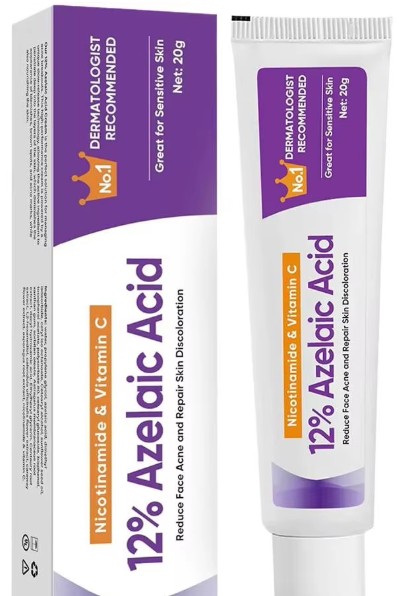
Azelaic acid cream may be helpful for people dealing with:
- Mild to moderate acne
- Acne scars
- Dark spots
- Uneven skin tone
- Redness
- Rough texture
- Sensitive acne-prone skin
However, every skin type is different. Patch testing is always a smart idea before full use.
Azelaic Acid Cream for Acne-Prone Skin
Acne-prone skin can be difficult to manage because many treatments damage the skin barrier. Once the barrier becomes weak, irritation and breakouts often become worse.
Azelaic acid cream is appreciated because it targets acne while remaining relatively balanced.
Many users notice that after several weeks of use:
- Pimples appear less inflamed
- Breakouts become less frequent
- Skin looks calmer
- Oiliness becomes more manageable
Because results develop gradually, patience is important.
Azelaic Acid Cream for Hyperpigmentation
Hyperpigmentation happens when the skin produces excess melanin in certain areas. This can happen after acne, inflammation, or sun exposure.
Azelaic acid cream helps interrupt excess pigment production, allowing dark spots to fade more evenly over time.
Unlike aggressive bleaching products, azelaic acid usually creates a more natural-looking improvement.
How to Use Azelaic Acid Cream Correctly
Using skincare products properly matters just as much as choosing the right product.
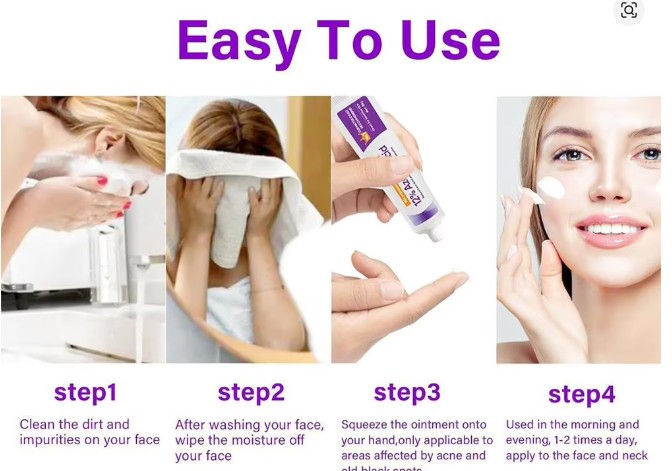
Step 1: Cleanse the Skin
Use a gentle cleanser to remove dirt, oil, and sunscreen.
Step 2: Dry the Face
Wait a few minutes before applying azelaic acid cream. Applying it to damp skin may increase irritation.
Step 3: Apply a Small Amount
A thin layer is usually enough.
Step 4: Moisturize
Follow with a lightweight moisturizer to support the skin barrier.
Step 5: Wear Sunscreen
Sunscreen is important because UV exposure can worsen discoloration.
Best Time to Apply Azelaic Acid Cream
Many people prefer using azelaic acid cream at night because it fits easily into evening skincare routines.
However, some users apply it both morning and night depending on tolerance.
Beginners often start with:
- Once daily use
- Every other day application
- Gradual increase over time
Common Mistakes to Avoid
Even good skincare products may not work well if used incorrectly.
Using Too Much Product
Applying extra cream does not speed up results.
Mixing Too Many Active Ingredients
Combining strong acids, retinoids, and exfoliants all at once may irritate the skin.
Skipping Sunscreen
Dark spots can worsen without sun protection.
Expecting Overnight Results
Azelaic acid cream works gradually. Consistency matters more than speed.
Possible Side Effects
Most people tolerate azelaic acid cream well, but mild side effects are still possible.
These may include:
- Mild tingling
- Dryness
- Temporary itching
- Slight redness
- Mild peeling during adjustment
These effects often improve as the skin adapts.
If severe irritation develops, reducing usage frequency may help.
How Long Does It Take to See Results?
Skincare improvements take time. Some users notice smoother skin within a few weeks, while discoloration may require several months.
Typical timeline:
| Skin Concern | Estimated Improvement Time |
|---|---|
| Mild redness | 2–4 weeks |
| Small breakouts | 4–6 weeks |
| Acne marks | 6–12 weeks |
| Uneven tone | 2–3 months |
| Texture improvement | Ongoing gradual improvement |
Consistency is one of the biggest factors in achieving visible results.
Azelaic Acid Cream vs Other Acne Treatments
Different skincare ingredients work differently.
| Ingredient | Main Purpose | Irritation Level | Best For |
|---|---|---|---|
| Azelaic acid cream | Acne + discoloration | Mild to moderate | Sensitive acne-prone skin |
| Salicylic acid | Deep pore cleansing | Moderate | Oily skin |
| Benzoyl peroxide | Acne bacteria control | Higher | Inflamed acne |
| Retinol | Texture and anti-aging | Moderate to high | Fine lines and acne |
| Niacinamide | Oil balance and calming | Low | Redness and barrier support |
Azelaic acid cream is often preferred by users who want balanced results without extreme irritation.
Can Azelaic Acid Cream Be Used with Other Products?
Yes, azelaic acid cream usually works well with many skincare ingredients.
Good Pairings
- Niacinamide
- Hyaluronic acid
- Ceramide moisturizers
- Gentle cleansers
- Sunscreen
Use Carefully With
- Strong exfoliating acids
- High-strength retinoids
- Harsh scrubs
- Over-drying acne products
Introducing products slowly can reduce irritation.
Tips for Better Results
Stay Consistent
Skipping applications too often can slow progress.
Use Sunscreen Daily
Sun exposure can worsen discoloration.
Avoid Picking Acne
Touching pimples may increase dark marks.
Keep Your Routine Simple
Too many products can overwhelm the skin.
Hydrate Properly
Moisturized skin usually tolerates active ingredients better.
Why Gentle Skincare Matters
Many people damage their skin by overusing harsh exfoliants and aggressive acne treatments.
Healthy skin is not created by attacking it constantly. A balanced approach usually creates better long-term results.
Azelaic acid cream fits well into gentler skincare routines because it improves the skin gradually without extreme stress.
Understanding Skin Discoloration
Skin discoloration can appear in different forms:
- Acne marks
- Sun spots
- Red patches
- Uneven tone
- Hormonal pigmentation
These concerns may affect confidence, especially when makeup no longer hides them effectively.
Azelaic acid cream helps improve the overall appearance of discoloration slowly and naturally.
Is Azelaic Acid Cream Suitable for Sensitive Skin?
Sensitive skin users often avoid active skincare products because irritation becomes difficult to manage.
Many dermatologists consider azelaic acid cream one of the better options for sensitive acne-prone skin because it is generally less harsh than stronger treatments.
Still, everyone reacts differently, so gradual introduction is recommended.
Building a Simple Skincare Routine Around Azelaic Acid Cream
A simple skincare routine often works better than an overloaded one.
Morning Routine
- Gentle cleanser
- Lightweight moisturizer
- Sunscreen
Evening Routine
- Gentle cleanser
- Azelaic acid cream
- Moisturizer
This approach keeps the routine manageable and easier to maintain consistently.
Signs the Product Is Working
People often wonder whether their skincare product is actually helping.
Positive signs may include:
- Fewer inflamed breakouts
- Smoother texture
- Reduced redness
- Dark spots slowly fading
- More balanced-looking skin
Because improvement is gradual, photos taken every few weeks can help track progress.
Lifestyle Habits That Support Clear Skin
Skincare products help, but daily habits also affect skin health.
Drink Enough Water
Hydration supports overall skin appearance.
Sleep Properly
Poor sleep may worsen inflammation and stress-related breakouts.
Avoid Excessive Sugar
Some people notice more breakouts after heavy sugary foods.
Wash Pillowcases Regularly
Dirty fabrics can collect oil and bacteria.
Reduce Stress
Stress can influence hormonal breakouts.
Combining healthy habits with azelaic acid cream often improves results.
Myths About Azelaic Acid Cream
Myth 1: Stronger Products Always Work Better
Harsh treatments are not always more effective.
Myth 2: Natural Ingredients Cannot Cause Irritation
Even gentle ingredients may irritate some people.
Myth 3: Dark Spots Fade Overnight
Pigmentation usually requires consistent long-term care.
Myth 4: Oily Skin Does Not Need Moisturizer
Skipping moisturizer can sometimes increase oiliness.
Choosing a Good Azelaic Acid Cream
Not all skincare products are formulated equally.
When choosing an azelaic acid cream, look for:
- Reliable formulation
- Comfortable texture
- Non-greasy finish
- Suitable concentration
- Packaging that protects ingredients
A good formula should feel comfortable enough for regular use.
Why Consistency Matters More Than Perfection
Many people give up on skincare because they expect immediate transformation.
Healthy skin improvement is usually slow and steady.
Using azelaic acid cream consistently for several weeks often delivers better results than constantly switching products every few days.
Patience is one of the most important parts of skincare success.
Realistic Expectations
No skincare product creates flawless skin overnight.
Azelaic acid cream can support healthier-looking skin, but realistic expectations matter.
Results may vary depending on:
- Skin type
- Severity of acne
- Sun exposure
- Routine consistency
- Lifestyle habits
- Existing skin sensitivity
Gradual improvement is normal.
Azelaic Acid Cream for Different Skin Types
One reason azelaic acid cream continues gaining popularity is because it works for many different skin types. Some skincare ingredients only work well for oily skin while others are designed mainly for dry skin. Azelaic acid sits in the middle, which makes it more flexible for daily skincare routines.
Oily Skin
People with oily skin often struggle with clogged pores, excess shine, and frequent breakouts. Heavy creams can sometimes worsen the problem by making the skin feel greasy.
Azelaic acid cream is usually lightweight enough to fit oily skincare routines while still helping reduce acne and texture issues.
Benefits for oily skin may include:
- Reduced visible oiliness
- Cleaner-looking pores
- Fewer inflamed pimples
- Better texture balance
- Less redness after breakouts
Dry Skin
Dry skin users sometimes avoid acne treatments because many products increase peeling and tightness.
When combined with a good moisturizer, azelaic acid cream may still work well for dry skin because it is often gentler than harsh exfoliating treatments.
Dry skin users should:
- Apply moisturizer consistently
- Avoid overusing exfoliants
- Introduce the cream gradually
- Avoid very hot water while cleansing
Combination Skin
Combination skin can be difficult because some areas feel oily while others become dry.
Azelaic acid cream is often suitable for combination skin because it helps control breakouts without making the face feel excessively greasy.
Sensitive Skin
Sensitive skin requires careful product selection. Strong treatments may quickly cause burning, peeling, or irritation.
Many skincare users prefer azelaic acid cream because it is generally more balanced than aggressive acne products.
However, sensitive skin users should still:
- Perform a patch test first
- Use small amounts initially
- Avoid mixing too many active ingredients
- Use sunscreen consistently
Understanding Acne and Why It Happens
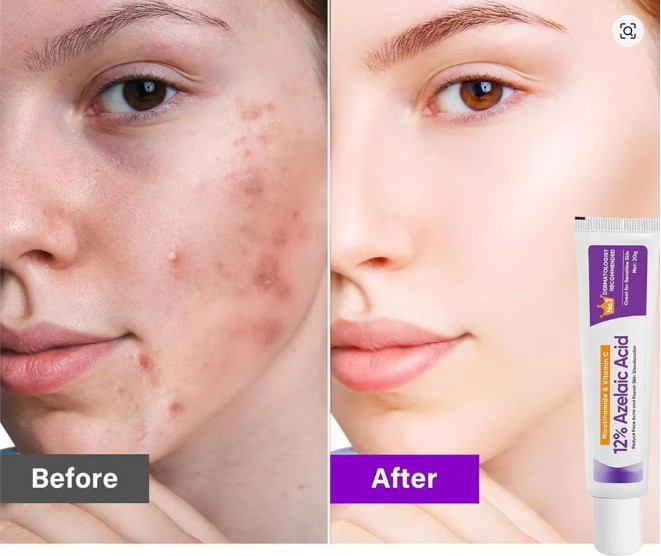
To understand why azelaic acid cream helps, it is useful to understand what causes acne in the first place.
Acne develops through several factors working together.
Excess Oil Production
The skin naturally produces oil to stay protected and hydrated. When too much oil builds up, pores can become blocked.
Dead Skin Cell Buildup
Old skin cells sometimes fail to shed properly. When these cells mix with oil, pores become clogged.
Bacteria Growth
Certain bacteria on the skin contribute to inflamed acne and redness.
Hormonal Changes
Hormones can increase oil production, especially during stress, puberty, or hormonal fluctuations.
Azelaic acid cream supports clearer skin because it helps target several of these issues at once instead of focusing on only one cause.
The Importance of Patience in Skincare
Modern social media often creates unrealistic expectations about skincare. Many videos show dramatic before-and-after results that appear overnight.
Real skincare improvement usually takes time.
Healthy skin changes slowly because the skin renews itself gradually. Most skincare products require consistent use for weeks or months before major changes become visible.
Azelaic acid cream works through steady improvement rather than aggressive overnight transformation.
People who stay patient often notice:
- More balanced skin texture
- Reduced redness
- Fewer active breakouts
- Smoother appearance
- Gradual fading of dark spots
This slow improvement often creates more natural-looking results.
How Weather and Environment Affect the Skin
Many people focus only on skincare products while ignoring environmental factors.
Weather conditions can influence:
- Oil production
- Dryness
- Sensitivity
- Acne frequency
- Redness
- Skin irritation
Hot Weather
Heat and humidity may increase sweating and oil production, which can contribute to clogged pores.
Using a lightweight moisturizer alongside azelaic acid cream may help keep the skin balanced during warmer months.
Cold Weather
Cold air and indoor heating can weaken the skin barrier and increase dryness.
During colder seasons, richer moisturizers may help reduce irritation while continuing azelaic acid cream use.
Sun Exposure
Excessive sunlight may worsen pigmentation and post-acne marks.
Daily sunscreen use is one of the most important habits for maintaining skincare results.
Ingredients That Pair Well with Azelaic Acid Cream
Some skincare ingredients work especially well when combined carefully with azelaic acid cream.
Hyaluronic Acid
Hyaluronic acid helps attract moisture to the skin.
This pairing may help reduce dryness and improve comfort during skincare routines.
Ceramides
Ceramides support the skin barrier and help reduce moisture loss.
People with sensitive skin often benefit from combining ceramide moisturizers with azelaic acid cream.
Niacinamide
Niacinamide is popular for helping balance oil production and reduce redness.
Together, niacinamide and azelaic acid cream may support smoother and calmer-looking skin.
Sunscreen
Sunscreen remains one of the most important skincare products.
Without sun protection, dark spots and uneven tone may become harder to improve.
Final Thoughts
Finding skincare products that truly support the skin without creating more irritation can feel difficult. Many acne treatments focus only on removing pimples while ignoring redness, texture, and discoloration.
Azelaic acid cream has become popular because it approaches skincare more gently while still delivering visible improvement over time. It can help calm acne, reduce post-breakout marks, brighten uneven areas, and improve overall skin texture without overwhelming the skin barrier.
For people struggling with acne-prone or uneven skin, consistency and patience are essential. Healthy-looking skin is usually built through balanced routines rather than aggressive treatments.
When used properly, azelaic acid cream may become an effective long-term addition to a simple skincare routine focused on clearer, smoother, and more even-looking skin.
Frequently Asked Questions
Can azelaic acid cream help with acne scars?
Yes, azelaic acid cream may help fade post-acne marks and discoloration over time by reducing excess pigment production.
Is azelaic acid cream suitable for oily skin?
Yes, many people with oily and acne-prone skin use azelaic acid cream successfully because it helps reduce clogged pores and breakouts.
Can beginners use azelaic acid cream?
Yes, beginners can usually use it safely by starting slowly and applying a small amount once daily.
Does azelaic acid cream lighten skin?
Azelaic acid cream does not bleach the skin. It mainly helps improve uneven tone and reduce dark spots.
How often should azelaic acid cream be used?
Many users start once daily and gradually increase depending on how their skin responds.
Can I use moisturizer after azelaic acid cream?
Yes, moisturizer is recommended because it helps support the skin barrier and reduce dryness.
Is sunscreen necessary while using azelaic acid cream?
Yes, sunscreen is important because sun exposure can worsen discoloration and acne marks.
Can azelaic acid cream be used with niacinamide?
Yes, these ingredients are commonly paired together in skincare routines.
How long does it take to see results?
Some users notice improvement within a few weeks, while dark spots may take several months to fade.
Can sensitive skin use azelaic acid cream?
Many sensitive skin users tolerate it well, but patch testing and gradual use are recommended.