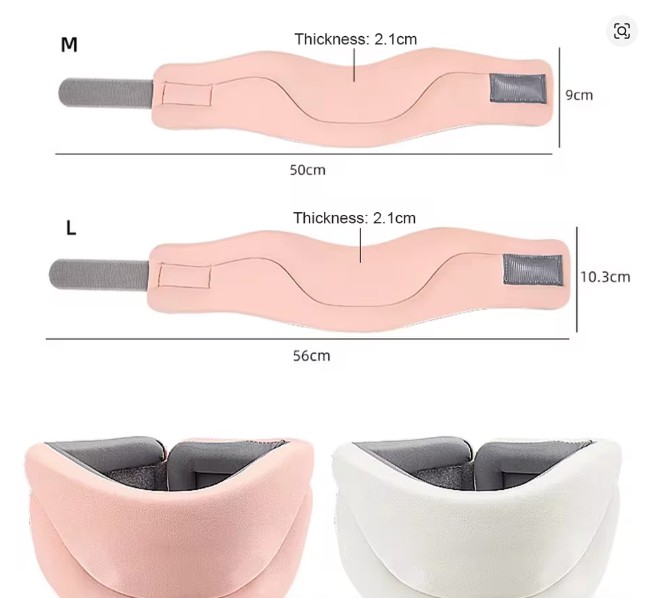
Let’s Be Honest — Neck Pain Creeps In Slowly
Most people don’t even notice when it starts.
At first, it’s just a slight stiffness. Maybe your neck feels tight after using your phone too long. You stretch a bit, ignore it, and move on. No big deal.
But then days pass… weeks maybe. That stiffness turns into something more annoying. You start adjusting your sitting position more often. Turning your head feels uncomfortable. Sometimes there’s even a dull headache sitting quietly in the background.
And that’s usually the point where people realize — something’s off.
The truth is, modern routines are not designed for our bodies. We sit too much. We look down too often. And our neck ends up carrying a load it wasn’t meant to handle all day.
Some people go straight to painkillers. Others try massages. A few even consider therapy sessions. But recently, more people are trying something simple first — a neck stretcher.
Why Your Neck Feels Worse Than It Should
Before jumping into solutions, it actually helps to understand what’s going on.
Your head isn’t light. It weighs several kilograms. When it’s balanced properly over your spine, everything works fine. But the moment it leans forward — even slightly — the pressure multiplies.
Now think about how often your head is tilted forward:
- scrolling your phone
- working on a laptop
- watching videos in bed
It adds up.
Over time, this leads to:
- tight muscles that don’t relax easily
- compressed discs in your spine
- reduced movement in your neck
- that constant “heavy” feeling
That’s the exact situation where a neck stretcher starts to make sense.
How a Neck Stretcher Helps Reduce Daily Neck Tension
A lot of people don’t realize how much daily habits affect their body until the discomfort becomes impossible to ignore. Long hours on a phone, working on a laptop, or even sitting in the wrong position can slowly create pressure on the neck muscles and spine. That’s one reason why a neck stretcher has become so popular recently. A good neck stretcher helps reduce tension naturally by gently supporting the cervical area and allowing the muscles to relax. Instead of depending only on temporary solutions, many people now use a neck stretcher as part of their daily routine to improve comfort and posture over time.
What makes a neck stretcher useful is its simplicity. You don’t need complicated instructions or expensive treatments to start feeling relief. Just a few quiet minutes each day with a neck stretcher can help release built-up stiffness caused by screen time and poor posture. Over time, regular use of a neck stretcher may improve flexibility, reduce that heavy feeling around the shoulders, and make everyday movement feel more comfortable. For people dealing with constant tightness, even small improvements can make a big difference in daily life.
So, What Exactly Is a Neck Stretcher?
Nothing complicated, honestly.
A neck stretcher is just a device designed to support your neck in a way that gently stretches it. That stretch — even if it’s small — can help release built-up pressure.
You don’t need to plug it in. You don’t need technical knowledge. In most cases, you just lie down, position it under your neck, and let it do its thing.
Sounds simple… and that’s kind of the point.
What Actually Happens When You Use It?
This is where things get interesting.
When you lie back on a neck stretcher, your neck isn’t just “resting.” It’s being guided into a better position.
A few subtle things start happening:
- the spine begins to decompress slightly
- tight muscles slowly loosen up
- blood flow improves in that area
You won’t feel all of this instantly, but you might notice something small — maybe your neck feels lighter when you get up.
That’s usually the first sign it’s working.
7 Things People Commonly Notice After Using a Neck Stretcher
Let’s keep this real — results vary. But there are some patterns that come up again and again.
1. That “tight” feeling starts to fade
It doesn’t disappear overnight, but it softens. Your neck doesn’t feel as locked.
2. You stop adjusting your posture every few minutes
You know that constant shifting? It becomes less frequent.
3. Headaches aren’t as frequent
Especially the kind that starts at the base of your skull.
4. Turning your head feels easier
Small movements feel smoother, less restricted.
5. You feel slightly more relaxed overall
It’s not just physical — tension reduction affects your mood too.
6. Sleep feels a bit more comfortable
Less tossing around trying to “find a position.”
7. You become more aware of your posture
This one surprises people. Once you feel improvement, you naturally try to maintain it.
Different Types (Because Not All Are the Same)
Here’s a simple breakdown:
| Type | What It Feels Like | Who It’s Good For |
| Foam-based | Firm but supportive | Beginners |
| Inflatable | Adjustable pressure | People who want control |
| Advanced traction | More structured support | Ongoing or stronger pain |
There’s no “perfect” type — it depends on comfort.
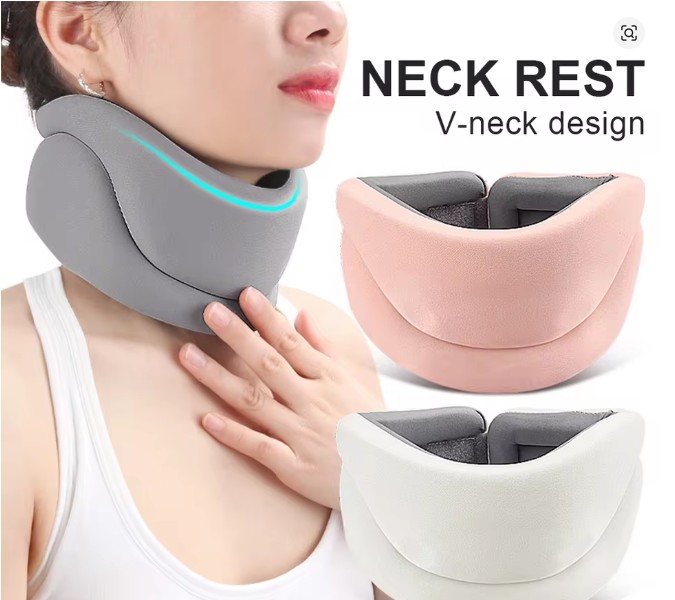
Using It the Right Way (This Part Matters More Than You Think)
Some people try it once and say, “It didn’t work.”
But usually, it’s not the device — it’s how it’s used.
A simple approach works best:
- lie on a flat surface
- place the neck stretcher under your neck (not your head)
- let your body relax completely
- stay there for about 10–15 minutes
That’s it.
No forcing. No overthinking.
Mistakes People Don’t Realize They’re Making
A few small things can ruin the experience:
- trying to use it too long on day one
- expecting instant, permanent results
- not using it regularly
- positioning it incorrectly
Consistency beats intensity here.
A Short Real-Life Example
A colleague of mine — works in digital marketing — had constant neck tightness. Nothing extreme, but always there.
He tried stretching occasionally, but never stuck to it.
Eventually, he bought a neck stretcher. Nothing fancy.
He didn’t change much else. Just used it for 10–15 minutes in the evening while listening to music.
After about 10 days, he mentioned something interesting:
“It’s not gone completely… but it’s not bothering me all day anymore.”
That’s usually how progress looks — gradual, not dramatic.
Is It Better Than Seeing a Professional?
Not really a fair comparison.
| Aspect | Neck Stretcher | Professional Care |
| Effort | Minimal | Requires visits |
| Cost | One-time | Ongoing |
| Results | Gradual | Faster (sometimes) |
They can actually complement each other.
Small Habits That Make a Big Difference
Using a neck stretcher helps, but combining it with simple habits works even better:
- don’t stay in one position too long
- adjust your screen to eye level
- take short breaks during work
- stretch lightly (nothing extreme)
It’s less about doing everything perfectly, more about being consistent.
Why Most People Don’t Realize Their Neck Needs Help
It’s actually surprising how long people ignore neck discomfort before doing anything about it. The body gives small signals first — a bit of stiffness in the morning, a slight pull when turning your head, maybe a dull ache after a long day. But because it’s not “serious pain,” it gets ignored.
Over time, though, those small signals stack up. The muscles stop relaxing properly. Your posture slowly shifts forward without you even noticing. And one day, you realize your neck feels tight almost all the time.
This is usually the stage where people start looking for solutions. Some go for quick fixes, others try random exercises, but very few think about something as simple as a neck stretcher. The irony is, simple solutions are often the ones that work best when used consistently.
The Connection Between Daily Habits and Neck Stress
Most neck issues don’t come from injuries. They come from habits — the kind you repeat every single day.
Think about how you use your phone. Most people hold it below eye level, which forces the neck downward. Now imagine doing that for hours every day. The strain builds quietly in the background.
The same goes for working on a laptop without proper support. Your shoulders round forward, your neck leans in, and your spine loses its natural alignment.
Using a neck stretcher doesn’t magically erase these habits, but it helps counter their effects. It gives your neck a break from the constant forward pressure and allows it to reset, even if just for a few minutes.
What It Feels Like During the First Few Uses
A lot of people hesitate because they don’t know what to expect.
The first time you use a neck stretcher, it might feel a bit unusual. Not painful — just different. Your neck is placed in a position it’s probably not used to anymore.
After a few minutes, though, most people notice a subtle shift. The tension starts easing slightly. It’s not dramatic, but it’s noticeable enough to feel like something is happening.
By the second or third use, your body starts getting used to it. That initial “strange” feeling fades, and it becomes more of a relaxing experience.
Why Consistency Matters More Than Intensity
One of the biggest mistakes people make is expecting fast, permanent results.
They use a neck stretcher once or twice, don’t feel a major change, and assume it doesn’t work. But the reality is, neck tension builds over time — and it also takes time to release.
Think of it like this: if your posture has been off for months or even years, a single 10-minute session won’t fix everything.
But using it regularly? That’s where things start to shift.
Small improvements add up:
- slightly less stiffness
- better range of motion
- reduced discomfort during daily tasks
Consistency doesn’t feel exciting, but it’s what actually creates results.
The Subtle Mental Relief You Didn’t Expect
Most people focus only on the physical benefits, but there’s something else that often goes unnoticed.
When your neck feels tight all the time, it quietly affects your mood. You feel more irritated, less focused, and sometimes just mentally drained.
After using a neck stretcher for a few days, some people notice they feel calmer. Not because the device is doing anything magical — but because physical tension and mental tension are connected.
When your body relaxes, your mind follows.
How It Fits Into a Normal Routine (Without Effort)
One reason people stick with a neck stretcher is because it doesn’t require a big lifestyle change.
You don’t need to set aside a special time or create a complicated routine.
Most people just:
- use it while listening to music
- or while scrolling casually
- or even while lying down before sleep
It becomes part of your downtime rather than another task on your to-do list.
That’s what makes it sustainable.
Comparing It to Other Common Solutions
People try all sorts of things for neck pain — some helpful, some not so much.
Painkillers can reduce discomfort, but the relief is temporary. Once the effect wears off, the pain often comes back.
Massages feel great, but they’re not always accessible or affordable regularly.
Exercises help, but many people struggle to stay consistent with them.
A neck stretcher sits somewhere in between. It doesn’t replace everything else, but it adds a layer of support that’s easy to maintain.
When You Start Noticing Real Changes
Progress with a neck stretcher doesn’t usually come as a big “wow” moment.
Instead, it shows up in small ways:
- you don’t think about your neck as much during the day
- you move more freely without hesitation
- that constant background discomfort fades
These changes are easy to overlook, but they matter more than quick, temporary relief.
Why Simplicity Often Wins
There’s a tendency to believe that complex problems need complex solutions.
But when it comes to neck discomfort, that’s not always true.
A neck stretcher works because it focuses on one simple idea — relieving pressure and allowing the neck to return to a more natural position.
No complicated settings. No learning curve. Just a straightforward approach that fits into real life.
Long-Term Use: What Happens Over Time
If you stick with it, the benefits tend to build gradually.
After a few weeks of regular use, people often report:
- less reliance on quick fixes like pain relief creams
- improved posture without constantly thinking about it
- more comfort during long work sessions
It’s not about reaching a point where everything is perfect. It’s about making daily life easier and more comfortable.
A Realistic Expectation (No False Promises)
It’s important to keep expectations realistic.
A neck stretcher is not a miracle cure. It won’t fix every issue overnight, and it won’t replace medical care if you have a serious condition.
What it can do is support your body in a natural way.
Used consistently, it helps reduce strain, improve comfort, and make everyday activities feel less exhausting on your neck.
Building a Simple Routine That Actually Sticks
Instead of overcomplicating things, it helps to keep your routine simple.
You don’t need multiple sessions a day or long durations.
Even this is enough:
- 10–15 minutes daily
- relaxed posture while using it
- no pressure to “feel results instantly”
Pair that with small awareness during your day — like adjusting your screen height or taking short breaks — and you create a system that works without stress.
Why Neck Problems Often Start Earlier Than People Think
A lot of people assume neck pain only happens to older adults, but that’s no longer true. These days even teenagers and people in their twenties complain about stiffness, poor posture, and tension headaches. The reason is simple — modern lifestyles have changed the way we use our bodies.
Most of us spend hours looking down at screens without even realizing how much pressure we’re putting on the neck. What feels “normal” today would have looked strange a few decades ago. Sitting for long periods, scrolling endlessly on phones, and working without proper posture slowly affects the spine.
That’s why products like a neck stretcher are becoming more common in everyday routines. People are beginning to realize that prevention matters just as much as treatment. Instead of waiting for severe pain, many are trying to support their neck before the problem becomes harder to manage.
The Feeling of Carrying Tension All Day
One difficult thing about neck tension is that it doesn’t always feel sharp or dramatic. Sometimes it’s just there quietly in the background.
You wake up feeling slightly stiff. During work, your shoulders tighten. By evening, your neck feels heavy and tired. It’s not always unbearable pain — but it slowly drains your energy.
That constant discomfort can affect concentration too. Even simple tasks feel more exhausting when your body is tense all day.
Using a neck stretcher regularly gives your muscles a chance to relax properly. Even a short session can create a feeling of relief that carries into the rest of the day. For many people, that small break from tension becomes something they genuinely look forward to.
Why Quick Fixes Usually Don’t Last
When pain appears, most people naturally look for fast relief. That’s understandable. Nobody wants to sit with discomfort all day.
The problem is that temporary solutions often hide the issue instead of helping it.
Pain relief creams may reduce soreness for a while. Painkillers can dull discomfort temporarily. But if the pressure on your neck stays the same, the problem usually returns.
A neck stretcher works differently because it focuses on relieving the physical stress causing the discomfort in the first place. It doesn’t just mask the feeling. Instead, it supports alignment and relaxation in a more natural way.
That’s one reason why consistent use tends to feel more meaningful over time.
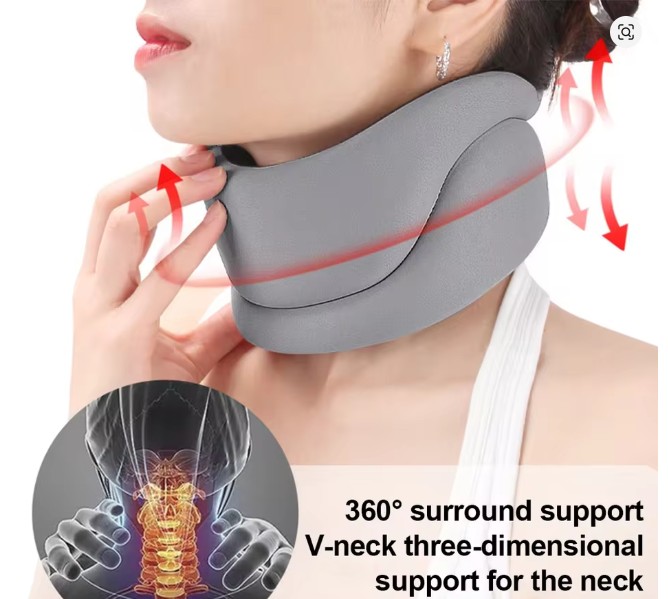
The Importance of Relaxing While Using It
One thing many people overlook is how important relaxation is during use.
If your body stays tense while using a neck stretcher, your muscles won’t respond as effectively. The goal isn’t to “force” your neck into position. It’s to allow your body to slowly release tension.
Some people play calming music while using it. Others use it before bed as part of a nighttime routine. Small details like that can make the experience feel less clinical and more comforting.
Over time, your body starts associating those few minutes with relaxation instead of discomfort.
How Poor Posture Affects More Than Just the Neck
Bad posture doesn’t stay limited to one area. Everything in the body is connected.
When the neck moves forward constantly, the shoulders often round inward too. The upper back becomes tight. Some people even notice discomfort in their lower back because the whole body adjusts around poor alignment.
This is why improving neck support can have wider effects than expected.
A neck stretcher may primarily target the cervical spine, but when your neck feels more aligned, the rest of your posture often improves naturally as well.
People sometimes notice they’re sitting straighter without consciously trying to.
Small Improvements Matter More Than Dramatic Ones
A lot of online content creates unrealistic expectations. Everything is advertised as instant, life-changing, or revolutionary.
Real improvement usually looks quieter than that.
Maybe your neck doesn’t crack as much anymore. Maybe driving feels more comfortable. Maybe you can work longer without constantly rubbing your shoulders.
Those small improvements matter because they affect daily quality of life.
A neck stretcher is often appreciated not because it creates dramatic overnight changes, but because it slowly reduces the constant irritation people had started accepting as “normal.”
The Emotional Side of Physical Discomfort
People rarely talk about this enough, but ongoing discomfort affects emotions too.
When your body feels tense every day, patience gets shorter. Energy feels lower. Even relaxing becomes difficult because your muscles never fully settle down.
Many users describe feeling mentally lighter after regular use of a neck stretcher. Again, not because it’s magical — but because physical comfort influences emotional well-being more than most people realize.
Feeling physically supported changes the way you move through the day.
FAQs (Real Questions People Usually Have)
How long before I notice a difference?
Some people feel it in a few days, others take a couple of weeks.
Can I use it every day?
Yes, daily use is actually better than occasional use.
Final Add-On Thought: Small Effort, Noticeable Difference
At the end of the day, most people aren’t looking for perfection. They just want to feel a little better — less tight, less uncomfortable, more at ease.
That’s exactly where a neck stretcher fits in.
It doesn’t demand much from you. Just a few minutes, a bit of consistency, and a willingness to give your body the support it’s been missing.
And over time, those small efforts turn into something you can actually feel.